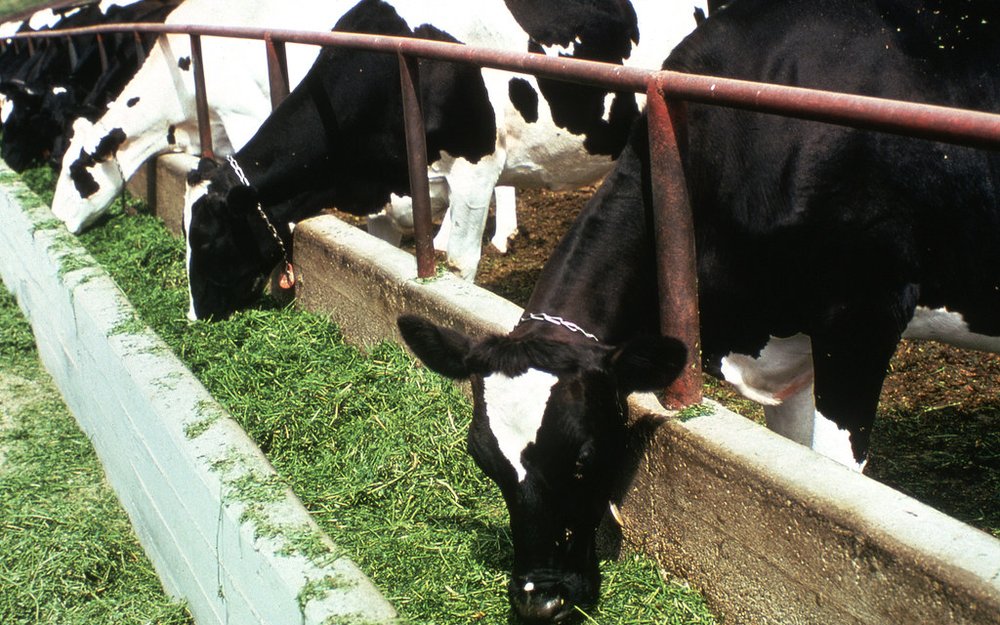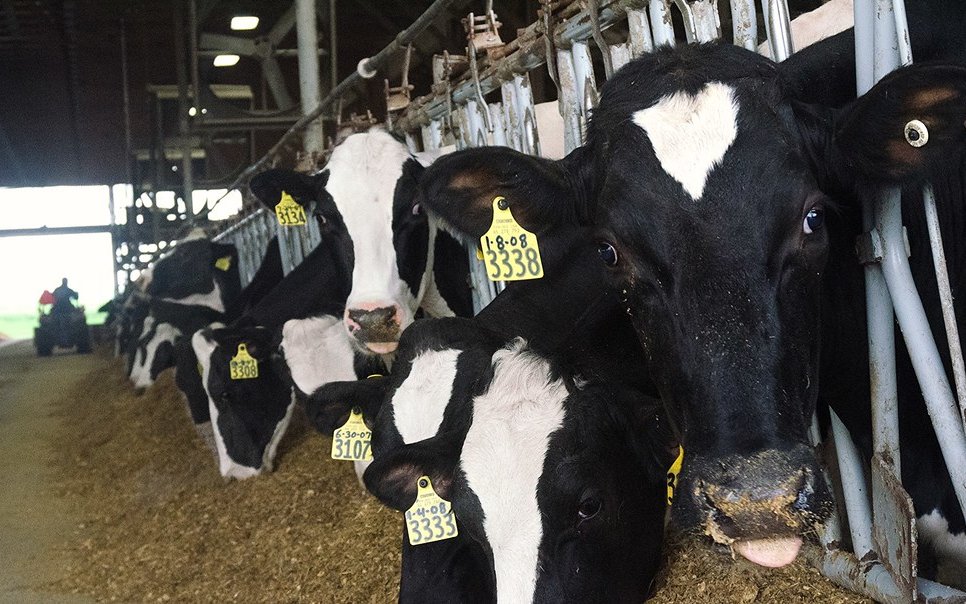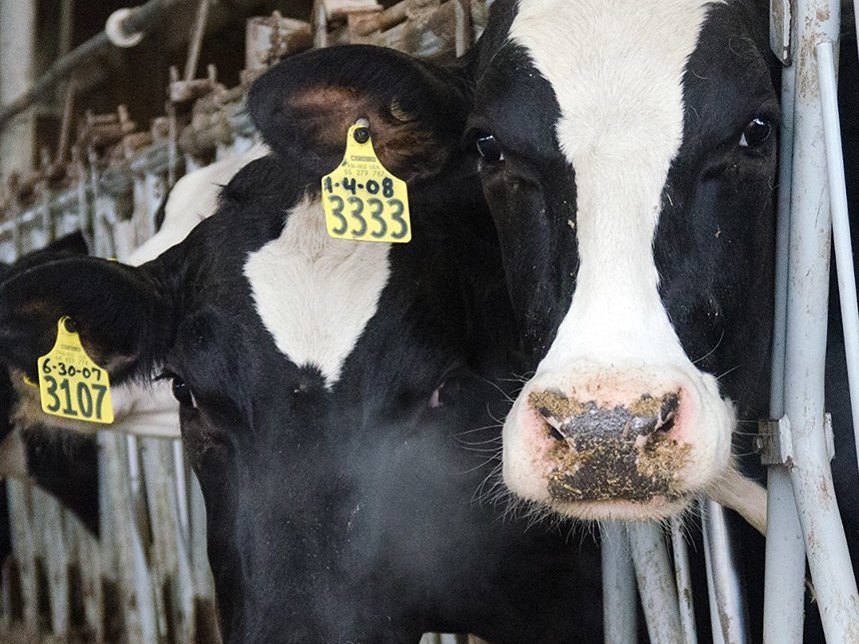
"Balanced" is the most overused word in animal nutrition and the least understood. It does not mean expensive, and it does not mean feeding a bit of everything. It means the six components of a ration arrive in proportions the animal can actually use together.
The six components
- Energy — measured as TDN, the fuel for maintenance and milk synthesis
- Protein — the raw material for milk, muscle and the growing foetus
- Fibre — keeps the rumen mat intact and the animal chewing cud
- Minerals — macro and trace, for bone, fertility and enzyme function
- Vitamins — A, D3 and E for immunity, vision and reproduction
- Water — the one that is free, and the one most often short
Why proportion matters more than quantity
Nutrients are interdependent. Excess protein without matching energy is deaminated and excreted — wasted. Calcium fed without regard to phosphorus disturbs the 2:1 ratio bone formation needs. High concentrate without adequate long fibre stops rumination and drops pH. In each case the individual nutrient was adequate; the balance was not.
An animal on an imbalanced ration can be simultaneously overfed and malnourished. This is more common than outright underfeeding.
Reading a feed label
Under BIS IS 2052, compound cattle feed is graded by type:
- Type I — for animals yielding up to 8–10 litres a day. Crude protein 20% min, TDN 65% min.
- Type II — for high yielders. Crude protein 22% min, TDN 70% min.
Also check crude fibre, which works as an inverse quality signal — a premium pellet claims under 8%, standard feed under 12%. And check sand and silica, capped at 3–4%. A high figure there means the bag contains filler you are paying feed prices for.
What imbalance looks like on farm
Store feed off the floor, away from walls, in a dry ventilated room. A well-formulated feed stored badly for six weeks is no longer a well-formulated feed.