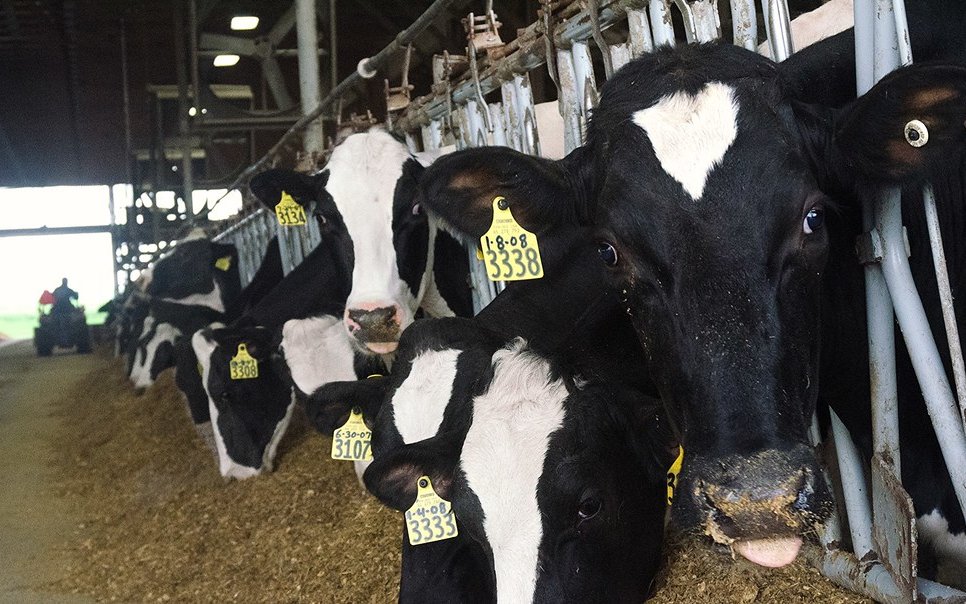
Most feeding problems are routine problems rather than formulation problems. The ration is adequate; the way it reaches the animal is not. Here is a schedule that works.
A daily routine
- 5:30 AM — Clean the trough. Refill water.
- 6:00 AM — Half the day's concentrate, fed before milking.
- 6:30 AM — Milking.
- 8:00 AM — Green fodder, roughly half the daily allowance.
- 12:00 PM — Dry fodder. Check water.
- 4:00 PM — Remaining green fodder.
- 5:30 PM — Second half of the concentrate.
- 6:00 PM — Milking.
- 8:00 PM — Dry fodder for overnight rumination. Final water check.
Working out the quantity
For a cow producing twelve litres a day:
- Maintenance concentrate: 1.5 kg
- Production concentrate: 12 × 400 g = 4.8 kg
- Total concentrate: 6.3 kg, split as 3.15 kg morning and evening
- Green fodder: 15–20 kg
- Dry fodder: 4–5 kg
- Water: 60–80 litres, more in summer
For buffaloes, use 2 kg maintenance and 500 g per litre.
Order matters
Feed concentrate before roughage. It goes into a rumen that is not already full, so intake is complete and nothing is left in the trough. Then long fibre, which builds the rumen mat and keeps the animal chewing cud — the single best visual indicator of rumen health you have. If fewer than sixty percent of your resting animals are chewing cud, your fibre is short.
Changing feed
Rumen microbes take seven to ten days to adapt to a new ration. Switch abruptly and you get a digestive upset and a yield drop that gets blamed on the new feed. Move across in quarters: 25% new for three days, 50% for three days, 75% for three days, then full.
Water is the nutrient farms neglect most. A cow short of water drops milk within a day. Troughs should be clean and never empty.
Seasonal adjustment
In summer, feed more in the cooler hours, increase water, and consider a buffer against heat-stress acidosis. In winter, energy requirement rises for body maintenance — a slightly higher concentrate allowance is justified even at unchanged yield.